

Module 9 · Speaking & Fluency · Lesson 34
Photo Comparison+
One minute. Two photos. No pauses. Push your Part 2 long turn past 'basic comparison' into speculation, structured timing and a strong answer to the examiner's real question — the one at the end, not the one at the start.
Get talking · Section 1
5 minTime yourself talking about your morning routine for exactly 60 seconds without stopping. How far did you get? Where did you run out of things to say?
In Part 2 the examiner gives you a comparison task, but the REAL task is a specific question at the end ('...and say which you would prefer'). Discuss: why do candidates so often forget to answer it?
Look at any photo nearby. Instead of describing what's IN it, guess why the photo was taken, or what happened one second before it. That's the Part 2 skill.
Grammar focus · Section 2
8–10 minBeyond 'both photos show' — speculation, contrast and the pivot to the question
Basic Part 2 answers just describe two photos. Strong answers speculate about what's happening, contrast the photos with varied language, and spend real time answering the examiner's specific question at the end.
Examples
→ Speculation: 'The woman in the first photo looks as if she's really concentrating — she might be preparing for an important meeting.'
→ Varied contrast: 'Whereas the first photo shows a busy, structured environment, the second one feels much more relaxed and spontaneous.'
→ Consequence speculation: 'I imagine the people in the second photo have been friends for years, given how comfortable they seem.'
→ Pivoting cleanly to the question: 'So, thinking about which of these I'd prefer myself, I'd probably choose...'
→ Full answer to the final question: 'I'd choose the second option, mainly because I value flexibility over structure, and also because...'
Word bank — no clues, retrieve it
Question 1.What do low-band Part 2 answers typically fail to do?
Question 2.Which phrase shows speculation, not simple description?
Question 3.Roughly how much of the minute should go to the final question?
Question 4.Which connector adds VARIETY beyond 'but'?
Question 5.A strong final answer should include...
Quick check 1.Do you need to describe every detail in both photos?
Quick check 2.Is guessing feelings/reasons allowed if you're not sure?
Quick check 3.What happens if you run out of things to say before 60 seconds?
Vocabulary · Section 3
5–7 minWords & phrases to own
to speculate
to guess about something you can't be sure of, based on evidence.
"I'd speculate that they're celebrating a special occasion."
Speculate about what someone near you is thinking right now.
whereas
used to contrast two facts or situations.
"Whereas the first photo is set outdoors, the second is indoors."
Contrast two rooms in your home using 'whereas'.
in contrast
a phrase highlighting a difference between two things.
"In contrast, the second photo shows a much quieter scene."
Use 'in contrast' to compare two weekends you've had.
it looks as if / as though
used to speculate based on visual evidence.
"It looks as if they've just finished a long hike."
Say something that 'looks as if' it's true about your day so far.
to strike me
to give a strong immediate impression.
"What strikes me most about this photo is the lighting."
Say what strikes you about the room you're in now.
setting
the place and surroundings where something happens.
"The setting looks like a busy city street."
Describe the setting of your favourite film.
to pivot (to)
to smoothly change topic or focus, e.g. from description to the examiner's question.
"Let me pivot to the actual question now."
Practise a pivot phrase: 'So, thinking about the question...'.
on balance
considering everything, when giving a final opinion.
"On balance, I'd say the outdoor option suits me better."
Use 'on balance' to give an opinion about two possible holidays.
to run out of time
to reach the time limit before finishing.
"I nearly ran out of time before answering the final question."
Describe a time you ran out of time for something.
developed answer
a response that includes a clear reason or example, not just a one-word choice.
"Examiners reward a developed answer over a short one."
Turn 'I'd prefer the first one' into a developed answer.
Activate · use it within minutes
Look at any object or person nearby. Make 3 speculative sentences using 'might', 'could', and 'it looks as if'.
might
could
it looks as if
Tick each word as you use it
Complete each pivot sentence naturally.
So, thinking about which I'd prefer myself, ___
On balance, I'd say ___
If I had to choose one of these, ___
Tick each word as you use it
Tap an item on the left, then tap its match on the right.
Pronunciation · Section 4
3–4 minFluency signals during a long, unbroken turn
Say it aloud
- • Thinking pause before an idea, not mid-word: 'The first photo... shows a classroom' not 'The fir-st pho-to shows...'.
- • Speculation rise: 'She might be... ↗ waiting for a friend. ↘' — slight rise on uncertainty, fall on completion.
- • Pivot marker — drop pitch slightly and slow down: 'So — thinking about the question — ↘ I'd probably say...'
- • Stress the reason in your final answer: 'I'd choose the SECOND one, mainly because it looks more RELAXING.'
- • Don't rush the last sentence — many candidates speed up when they realise time is running out; a calm, complete final sentence scores better than a rushed extra point.
Reading · Section 5
8–10 minThe one-minute test that isn't really about photos
Read the passageTap to openTap to hide
Speaking Part 2 looks deceptively simple: look at two photographs, talk for about a minute, compare them, then answer a short question. Many candidates prepare by memorising vocabulary for common photo themes — 'people cooking', 'people exercising', 'city versus countryside' — and walk in ready to describe whatever appears. This preparation is not wrong, but it misses where the real marks live.
The Speaking Part 2 task tests two skills that have almost nothing to do with vocabulary range: the ability to organise one minute of continuous speech (Discourse Management), and the ability to go beyond visible facts into interpretation (Grammar & Vocabulary, through speculative structures like 'might', 'could', 'must have been'). A candidate who spends the full minute listing what is visible — 'there is a man, he is wearing a blue shirt, there is a tree behind him' — has produced accurate but low-value English. Nothing in that description requires speculation, comparison or opinion, and nothing shows range.
The stronger move is structural. Divide the minute into three rough sections. In the first ten seconds, frame both photos in a single sentence each — enough for the examiner to know you've registered the content, not a full inventory. In the middle thirty seconds, compare using varied language ('whereas', 'unlike', 'in contrast') and speculate about what cannot be seen: motivations, relationships, what happened moments before or after the photo. In the final fifteen to twenty seconds, answer the specific question the examiner asked at the end — and only that question. This part is worth disproportionate marks because it is where many candidates run out of time and rush, or forget it entirely.
There is a second, quieter reason structure matters: nerves. A pre-planned three-part shape gives anxious candidates something to hold onto when their mind goes blank mid-turn, because they know roughly which 'zone' they are in and what kind of language belongs there. Candidates who treat the minute as one undifferentiated block of talking are the ones most likely to freeze, because there is no internal map to fall back on when the words dry up.
For questions 1–5, choose the answer (A, B, C or D) which you think fits best according to the text.
1According to the passage, what does Part 2 mainly test?
2Why is listing visible facts described as 'low-value English'?
3How does the passage suggest dividing the minute?
4Why does the final question deserve disproportionate time?
5What's the 'quieter reason' structure matters, according to the text?
Sentences have been removed from the text. Choose from the sentences A–E the one which fits each gap (1–4). There is one extra sentence which you do not need to use.
Exam conditions: keep “Read the passage” closed while you do this task.
Listening · Section 6
8–10 minCoaching session — upgrading a flat Part 2 answer
Listening audio
Tap play to listen. Drag the timeline to jump anywhere.
Show transcript
Coach Priya:OK Marcus, let's hear your one-minute answer comparing the two photos — people learning new skills.
Marcus:In the first photo, there is a man. He is cooking. In the second photo, there are two women.
They are painting. Both photos show people learning something.
Coach Priya:That's accurate, but very flat — you've described, not speculated or compared. Let's rebuild it. What might the man be feeling?
Marcus:Maybe... he looks concentrated? Like it's difficult for him.
Coach Priya:Good — now say that using 'it looks as if'.
Marcus:It looks as if he's finding it quite difficult, actually, judging by his expression.
Coach Priya:Much better. Now contrast that with the second photo using 'whereas'.
Marcus:Whereas he looks quite tense, the two women in the second photo seem really relaxed and are probably enjoying themselves.
Coach Priya:Excellent. Now, the examiner's question was: which activity would you personally prefer to learn? Answer that fully.
Marcus:On balance, I'd probably prefer painting, mainly because it seems more sociable, and I think I'd learn faster with other people around.
Coach Priya:Perfect — that's a developed answer with a reason. Notice how much stronger that whole minute sounds now compared to your first attempt.
Marcus:Yeah, it's the same photos but it sounds like a completely different level.
Coach Priya:Exactly — same content, better structure and language. That's the whole game in Part 2.
Question 1.What was wrong with Marcus's first attempt?
Question 2.What speculation phrase does Marcus use for the man's feelings?
Question 3.Which connector does Marcus use to contrast the two photos?
Question 4.How does Marcus answer the examiner's final question?
Exam skills · Section 7
5 minSpeaking Part 2 — Advanced Long Turn Techniques
🎯 Speaking Part 2+
Compare two photos for ~1 minute, then fully answer the examiner's final question.
- Frame both photos briefly in the first 10 seconds
- Speculate about feelings, reasons and context — don't just describe
- Vary your comparatives: whereas, unlike, in contrast
- Spend real time (15-20s) on a developed final answer
Try the FCE Exam Practice photo task below.
Quick Tip
Practise the 10/30/20-second structure until it's automatic — it protects you if you freeze mid-turn.
Exam Hack
Memorise 3 speculation starters ('it looks as if', 'might', 'I imagine') and 3 contrast connectors — that's enough range for any photo pair.
Common Mistake
Don't rush or skip the final question. Examiners specifically listen for a full, reasoned answer to it.
Your task
Use the paired photos below. Speak for about a minute: frame briefly, compare with speculation and varied connectors, then fully answer the final question with a reason.
Example
'Both photos show people trying something new. Whereas the man in the first looks quite tense — it looks as if he's finding it difficult — the women in the second seem far more relaxed. So, thinking about which I'd prefer, I'd probably choose the second activity, mainly because I enjoy learning things socially.'
Practice · Section 8
8–10 minFill in the blank
Question 1.'It looks ___ if they've just finished a race.'
Question 2.'___ the first photo is indoors, the second is outdoors.'
Question 3.A strong final answer includes a choice plus a ___.
Question 4.'On ___, I'd say the second option suits me better.'
Question 5.Speculating means guessing based on ___, not stating facts.
Q1.Give a speculation phrase using 'might':
Q2.One connector meaning 'in contrast to':
Q3.Phrase for pivoting to the final question:
Writing · Section 9
5 minPut it in writing
Your task
Write out a full one-minute Part 2 answer (about 120-150 words) comparing two photos of your choice (e.g. two holidays, two workplaces). Mark clearly where each of the three sections (frame / compare+speculate / final answer) begins.
Show model answer
[FRAME] The first photo shows someone relaxing on a beach; the second shows someone hiking in the mountains. [COMPARE+SPECULATE] Whereas the beach looks calm and undemanding, the mountain scene looks far more physically challenging — it looks as if the hiker has been walking for hours, judging by how tired she seems. I imagine the beach holiday would suit someone who wants to switch off completely, whereas the mountain trip suits someone seeking a challenge. [FINAL ANSWER] So, thinking about which I'd prefer myself, I'd probably choose the mountains, mainly because I find it more satisfying to feel I've achieved something during a holiday, rather than just resting.
Speaking · Section 10
10–15 minMake it a real conversation
Roleplay
1:1 online task. Teacher shows two photos (use the paired photos below or any two contrasting images). Student speaks for exactly 60 seconds (timed), then teacher asks the follow-up question. Repeat with a second pair, focusing on whichever of the three sections was weakest first time.
Useful phrases
- • Both photos show...
- • Whereas the first... / Unlike the first photo...
- • It looks as if... / I imagine...
- • What strikes me most is...
- • So, thinking about the question, on balance I'd say...
- CoachThat was accurate, but you only described what's visible.
- Student_______________
- CoachTry adding a speculation.
- Student_______________
- CoachGood. Now don't forget to fully answer the final question.
- Student_______________
Teacher notes
Optional · Teacher-led
Teacher Activities
Two drills that build structural discipline for the one-minute turn. Both work 1:1 online. ~14 min total
FCE Exam Practice · Section 11
20–30 minReal FCE tasks
Cambridge B2 First · Speaking · Part 2 · Long Turn. The paired photos below mirror the Cambridge booklet. Teacher Mode reveals examiner guidance, common errors, and a band-5 sample answer.


Examiner asks
"Here are your two photographs. They show people learning a new skill. I'd like you to compare the photographs and say what you think might be difficult about learning these skills, and which you would personally prefer to learn."
Comparative frame
- Frame both photos in one sentence each (10s)
- Compare with whereas/unlike + speculate with might/could/it looks as if (30s)
- Pivot and fully answer the final question with a reason (15-20s)
After 1 minute, examiner asks your partner
"Which of these two skills would you find easier to learn?" (~30 seconds)
Useful language
- • Whereas the man looks quite tense, the women in the second photo seem completely relaxed.
- • It looks as if he's finding it quite difficult, judging by his expression.
- • I imagine cooking under pressure like that could be stressful for a beginner.
- • So, thinking about which I'd prefer, on balance I'd probably choose...
Sample long-turn answer
Both photos show people learning a new skill. Whereas the man in the first photo looks quite tense — it looks as if he's finding the cooking difficult, maybe because he's worried about timing everything correctly — the two women in the second photo seem far more relaxed, laughing as they paint. I imagine learning to cook under pressure, like in a professional kitchen, could be quite stressful for a beginner, whereas painting seems like a much more forgiving skill to pick up, since mistakes probably don't matter as much. So, thinking about which I'd personally prefer to learn, on balance I'd choose painting, mainly because I enjoy creative activities more than cooking, and I think I'd learn faster in a relaxed, social environment like that.
Homework · Section 12
Take-homeTake it home
Record 3 timed Part 2 answers
Record a timed 60-second answer for each of the three photo pairs below.
Use the 10/30/20-second structure for each. Listen back and check: did you speculate? Did you vary your connectors? Did you fully answer an imagined final question?
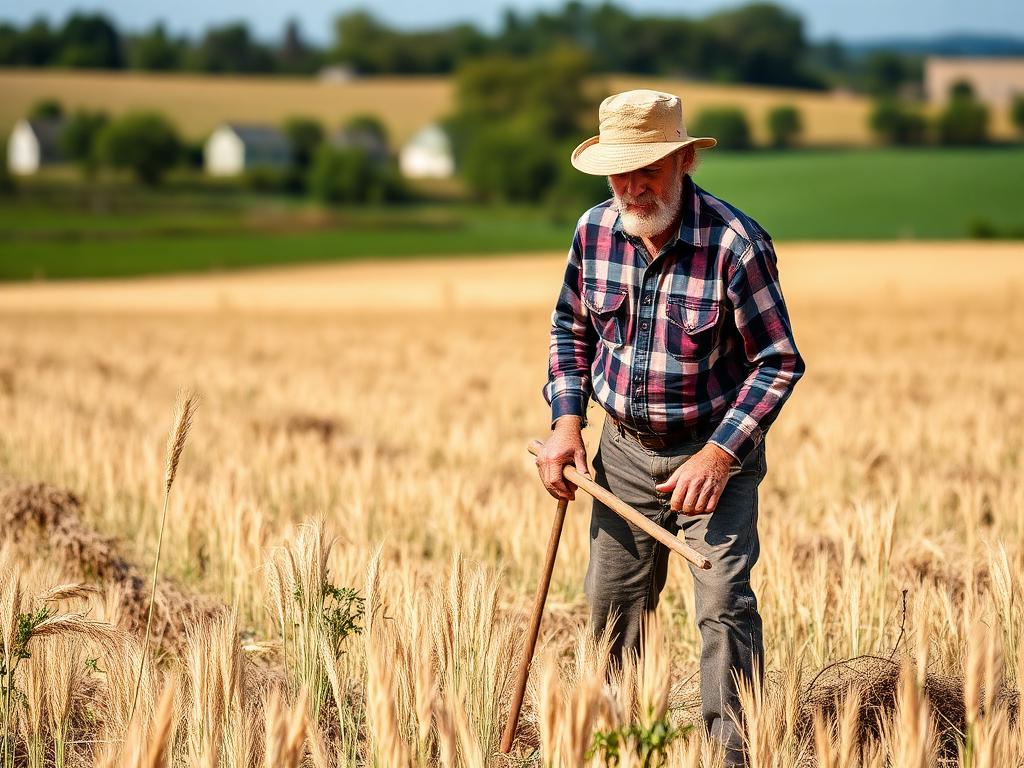
Pair 1 — Two contrasting workplaces

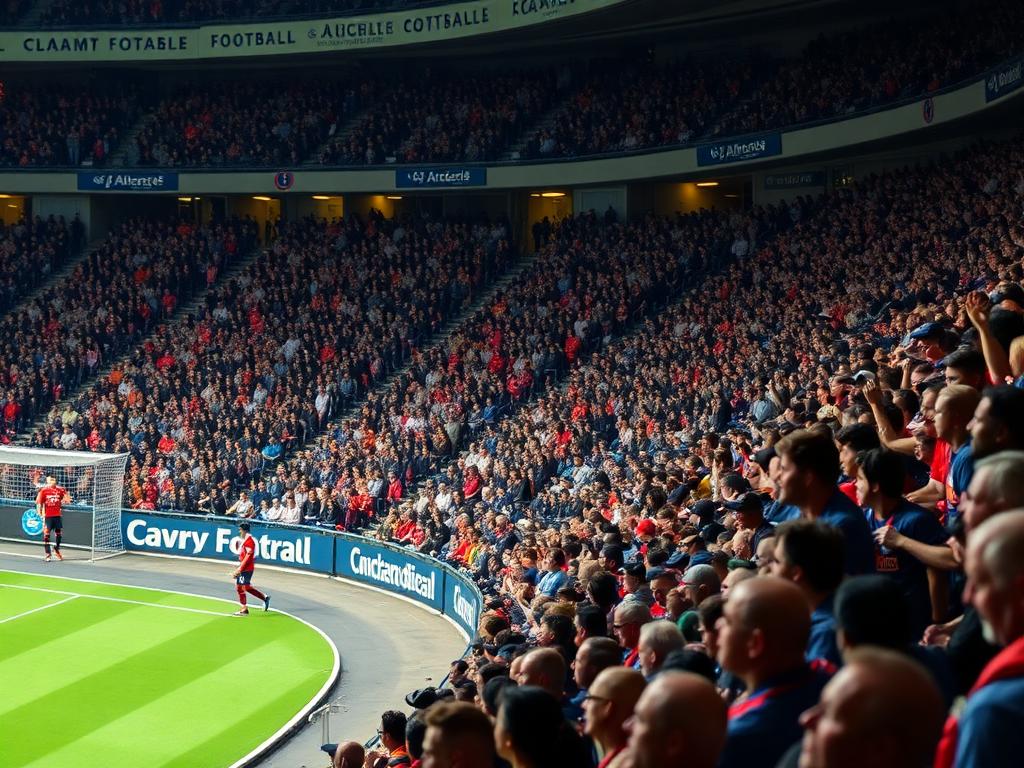
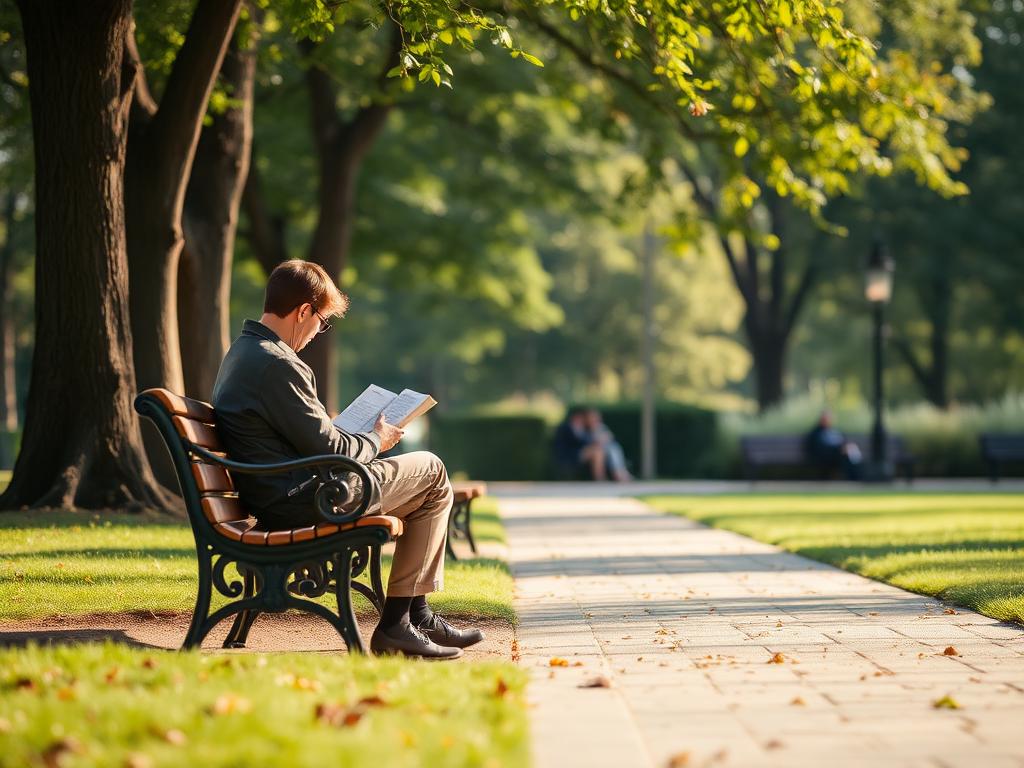
Pair 2 — Two contrasting leisure activities
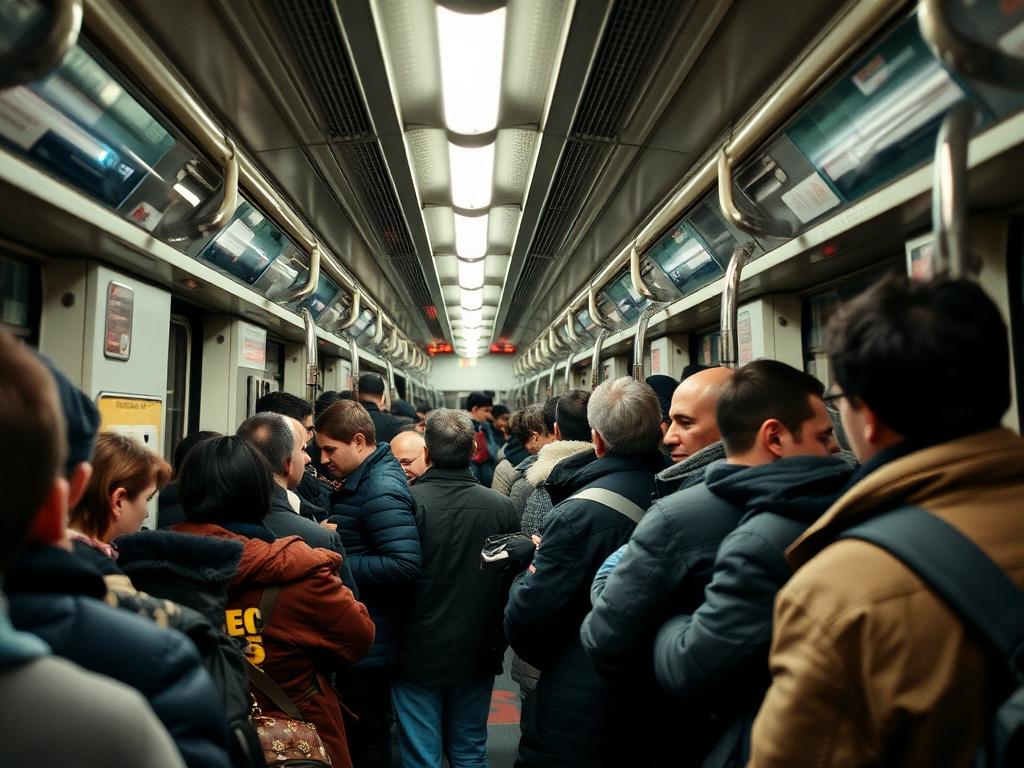
Pair 3 — Two contrasting types of transport
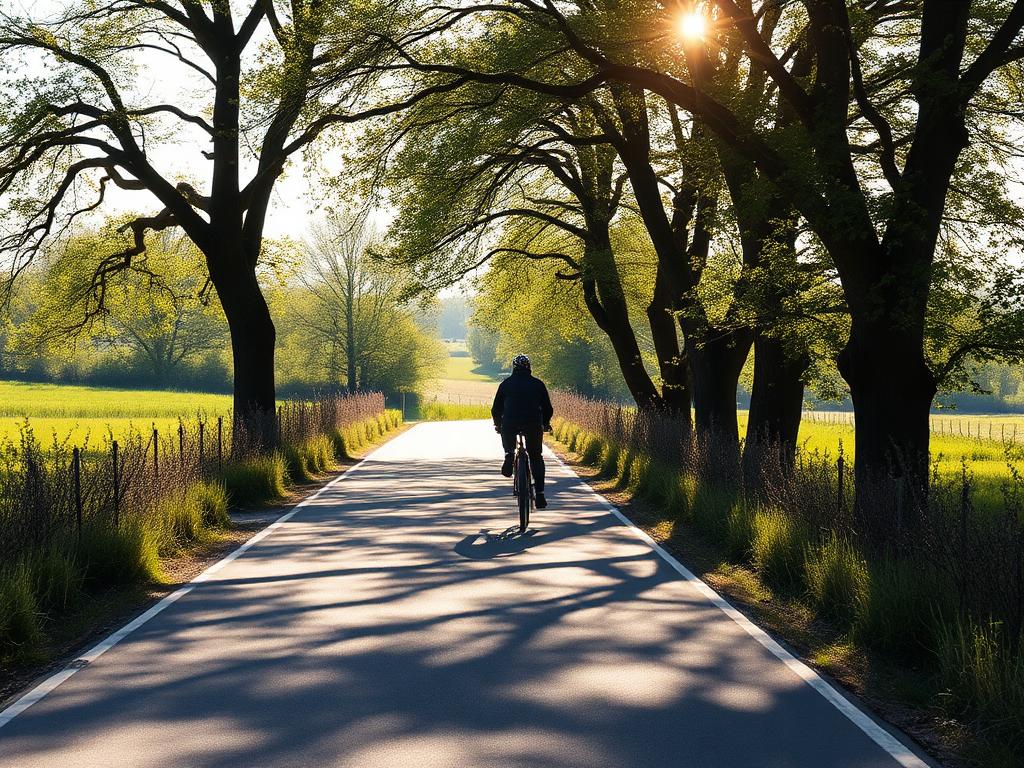
- Pair 1 — workplaces: compare, speculate, then answer 'Which would you prefer to work in?'
- Pair 2 — leisure: compare, speculate, then answer 'Which do people enjoy more, and why?'
- Pair 3 — transport: compare, speculate, then answer 'Which is better for daily travel?'
Questions
- Which section (frame / compare+speculate / final answer) was weakest?
- Did you use at least 2 different comparative connectors across the 3 recordings?
Speculation and contrast phrase bank
Memorise 10 phrases: 5 for speculation, 5 for contrast.
Write each on a flashcard and drill until automatic.
- It looks as if...
- I imagine...
- ...might be...
- ...could have been...
- Judging by their expression, ...
- whereas
- unlike the first photo,
- in contrast,
- on the other hand,
- by comparison,
Write two more full Part 2 answers
Write two full 120-150 word Part 2 answers on topics of your choice, tagging each of the three sections.
Choose any two photo-comparison topics (e.g. 'two ways to spend a free afternoon', 'two different celebrations'). Tag [FRAME] [COMPARE+SPECULATE] [FINAL ANSWER] clearly.
Recap · Section 13
2–3 minWhat you've learned
- Part 2 rewards speculation and varied comparatives — not just description.
- Structure the minute: ~10s frame, ~30s compare+speculate, ~15-20s full final answer.
- Key speculation language: might, could, it looks as if, I imagine.
- Key contrast language: whereas, unlike, in contrast, by comparison.
- The examiner's final question deserves a developed answer with a reason.
- A pre-planned structure protects you if nerves make you freeze mid-turn.
Lesson progress
This lesson completes automatically once you finish every activity, or when you continue to the next lesson.